Musk’s xAI Offers to Buy Mississippi Homes Near Data Center as Residents Challenge Noise and Pollution

SOUTHAVEN, Miss. | October 30, 2026 — Homeowners living near a major artificial-intelligence development in northern Mississippi are being approached with offers to sell their properties as a dispute over industrial noise, air quality and the future of their neighborhood intensifies. The buyer is linked to Elon Musk’s xAI operation, which has expanded rapidly along the Mississippi-Tennessee border.
The reported offers have raised a consequential question for residents of Colonial Hills in Southaven: whether accepting a buyout is a practical escape from an unwanted industrial neighbor, or whether the terms ask them to surrender legal options they might otherwise retain.
What residents say the offers require
In reporting published October 28, The Guardian described real estate representatives approaching homeowners on behalf of the company. The newspaper reported that the purchase terms included an agreement not to join a pending lawsuit concerning noise from the nearby gas-powered facility. The Verge separately reported that a letter to residents described a release of claims tied to the dispute.
A real estate representative told one resident that the goal was to purchase as many as 418 properties, according to a recorded conversation reviewed by The Guardian. That number is a reported target, not a verified count of homes purchased or an official company commitment. The same report said five houses had been purchased since October 9 and that a representative described additional owners as having agreed to sell. xAI did not confirm those figures in the reporting.
For homeowners, the decision involves more than a sale price. Signing a legal release could affect whether they can pursue damages over the facility’s alleged effects. Renters have different concerns: The Verge reported that some tenants were told to leave after landlords agreed to sell. There is no evidence that every resident has been offered the same terms or that every home in Colonial Hills will be purchased.
Why the neighborhood is concerned
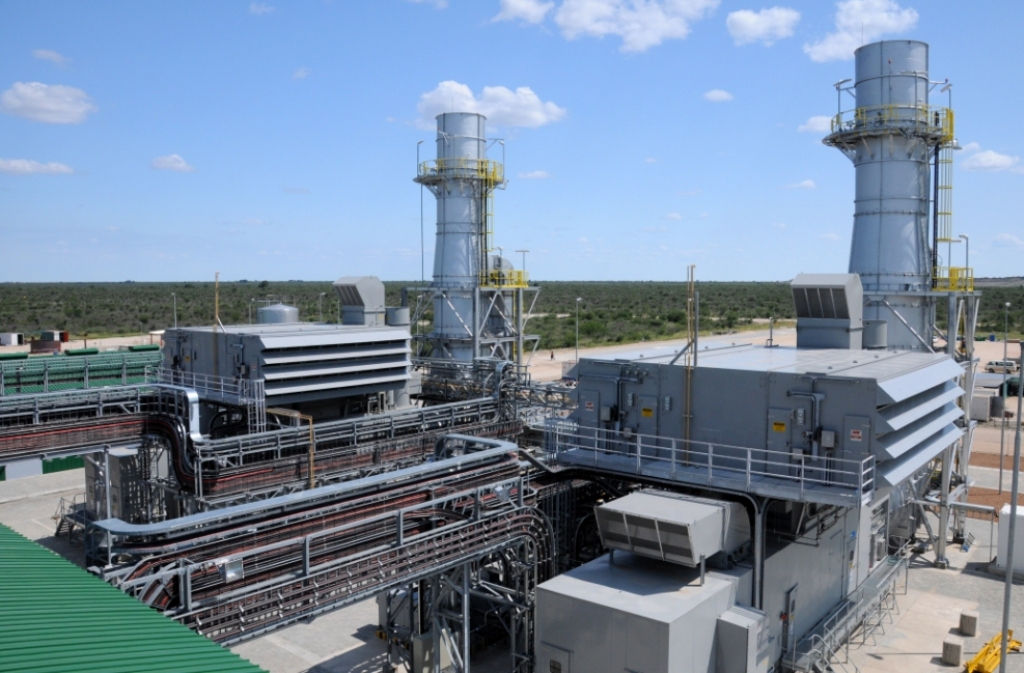
The facilities are part of the infrastructure supplying enormous computing demand from xAI’s artificial-intelligence operations around Memphis and Southaven. Gas-fired turbines have been used to generate electricity as the company builds out its data-center footprint. Some neighbors describe a persistent mechanical roar and vibration that they say interferes with sleep and everyday life.
Three residents filed a nuisance lawsuit in June alleging that the operation caused continuing noise and other harms. Those claims remain allegations in a civil case, not findings that xAI is legally responsible. The company has denied the claims. It has said it wants to be a good neighbor and has described efforts including sound barriers and changes to power output.
Not everyone in the area views the expansion the same way. Southaven Mayor Darren Musselwhite has emphasized the possibility of jobs, business activity and additional tax revenue. Supporters see investment in a growing industry; critics question whether those benefits justify the effects they say nearby families are experiencing.
A separate fight over air permits
The neighborhood noise dispute is distinct from a federal environmental case brought by the NAACP and its legal partners. In April, the civil-rights organization sued xAI and an affiliate, alleging that gas turbines at the Southaven site were being operated without permits required by the federal Clean Air Act. The NAACP argues that emissions may create additional risks for surrounding communities, including neighborhoods already burdened by pollution.
Mississippi environmental regulators have maintained that temporary or mobile turbines qualify for an exemption under state rules, while federal environmental guidance and the NAACP’s lawyers dispute that interpretation. The state has separately approved permits for a planned permanent turbine installation. These are different regulatory questions, and the existence of a lawsuit does not itself establish a violation.
The environmental case remains active. Mississippi Today reported October 21 that a federal judge allowed the Justice Department to intervene but rejected its attempt to dismiss the NAACP’s case. The ruling permitted the legal challenge to continue; it was not a final determination that the company violated the Clean Air Act.
What remains unanswered
Several important details have not been independently established: the total number of buyout offers actually made, the prices offered across the neighborhood, how many sales will ultimately close, and what the company plans to do with every acquired property. Reporting indicates that some homes may be used to house company employees, but that does not mean the same outcome is certain for all properties.
The controversy highlights a growing tension in the AI boom. Data centers promise investment and computing capacity, but their electricity needs can bring power generation, land-use changes and noise close to residential blocks. In Southaven, the question is no longer abstract. Families are weighing whether to stay, sell or continue fighting in court.
730 BOOM Radio based this report on The Guardian’s October 28 reporting, independent coverage by The Verge, statements and court-action summaries from the NAACP, and Mississippi Today’s October 21 account of the federal ruling. Claims by residents, the company and environmental advocates are attributed separately.
Featured image credit: Pro-Per Energy Services / Wikimedia Commons, CC BY-SA 4.0. Archival photograph of a gas-turbine power plant for illustration only; it does not show the Southaven facility. No modifications were made.


Comments